
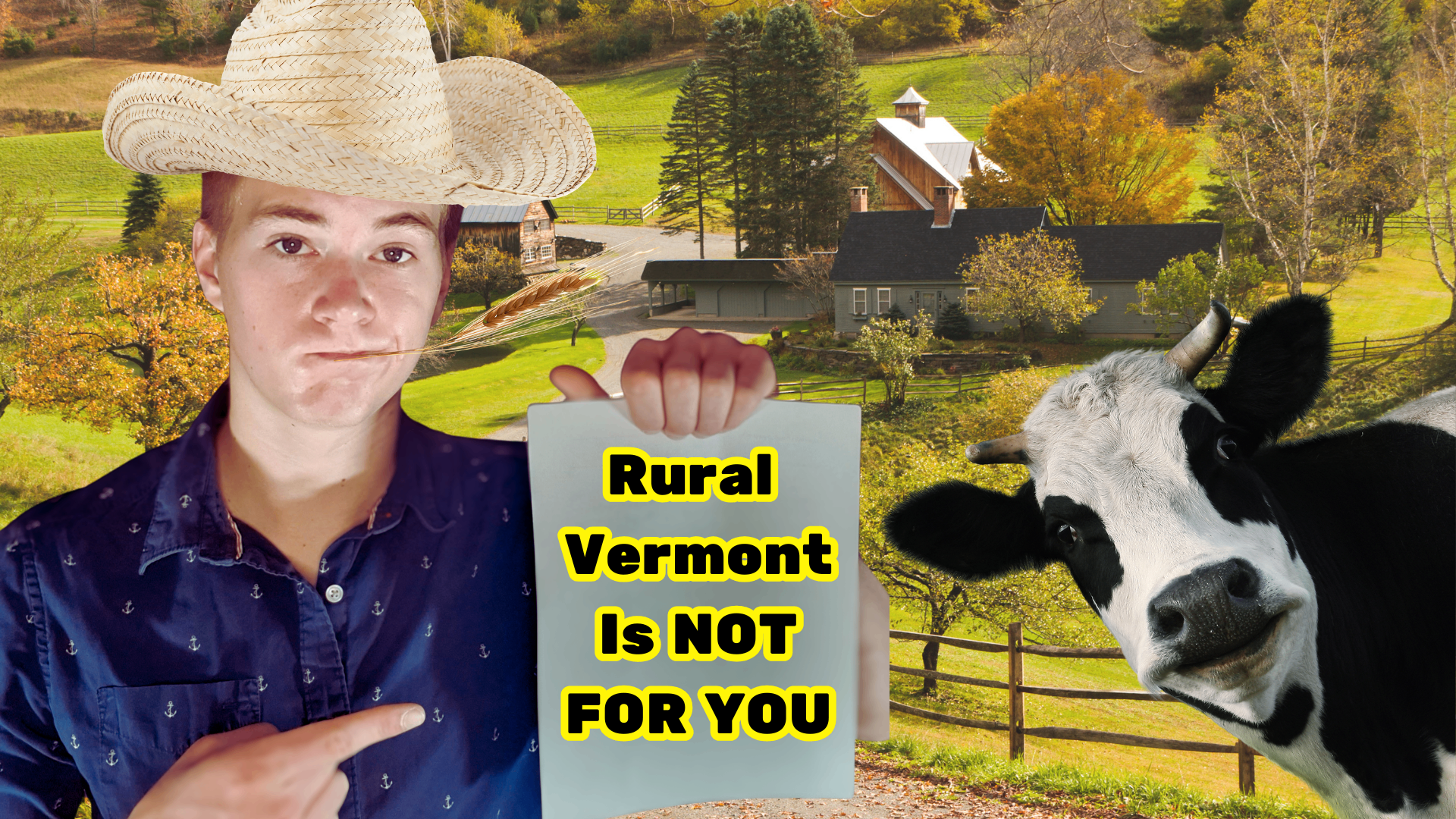
What It's Really Like to Live in Rural Vermont: A Local's Honest Guide
Thinking about moving to Vermont? The fresh air, quiet nights, and mountain views sound idyllic, and often they are. But before you pack your bags, it helps to know what living in rural Vermont is really like: the good, the bad, and everything in between. This guide walks through the honest tradeoffs so you can decide whether the rural Vermont lifestyle is the right fit for you.
I am Jacob Barnes, a real estate agent with eXp Realty, born and raised in Vermont and helping people buy and sell homes across the state. Here is my honest take.
The Good: Why People Love Rural Vermont
Living in rural Vermont offers a kind of peace and simplicity that is hard to find anywhere else. Imagine waking up to birdsong instead of car alarms, watching the sunset over rolling hills, and being able to hike or snowshoe right from your backyard. There is also a strong sense of community. Neighbors look out for each other, and small-town events like farmers markets, church dinners, and local festivals are a big deal.
An outdoor paradise
If you are into hiking, skiing, mountain biking, or hunting, rural Vermont is hard to beat. Hunting in particular is a long-standing tradition here, with families passing down knowledge and skills through generations. Between the Green Mountains and countless lakes and streams, you are never far from an adventure.
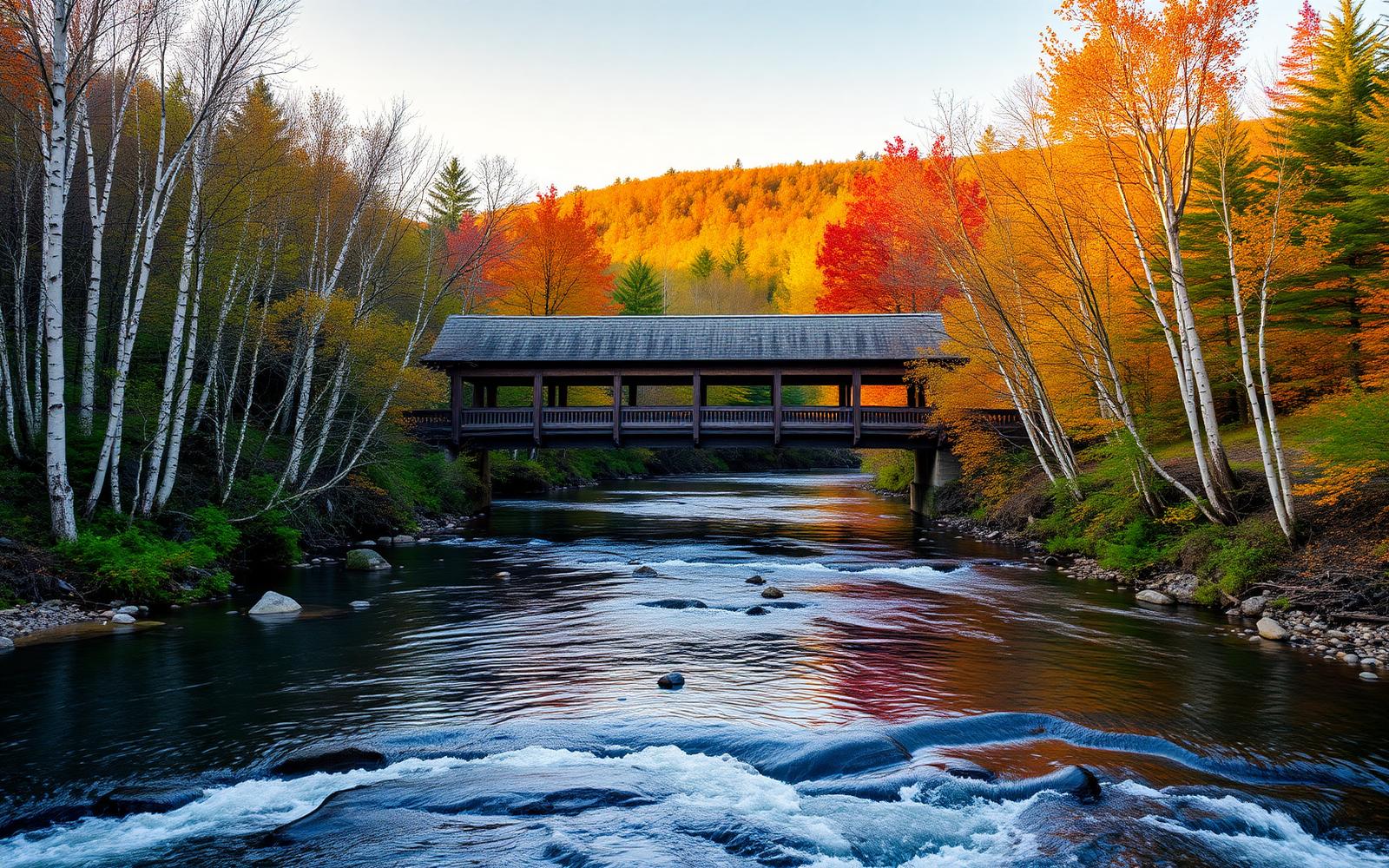
Fall foliage in your backyard
And then there is the fall foliage. People travel from all over the world to see what Vermonters get to enjoy every year, right outside their front door.
The Self-Reliant Vermont Spirit
One thing that stands out about Vermonters, especially in rural areas, is their hardy, self-reliant nature. Traditional Vermonters take pride in a lifestyle built on hard work and resourcefulness. Splitting firewood to heat the house through winter, tending family farms, deer hunting, and a hands-on, do-it-yourself mentality are all part of daily life for many people here.
The Tradeoffs of Rural Living
Rural living is not for everyone. Here is the less glamorous side to weigh before you commit.
Isolation
If you are coming from a city, it can be a shock to realize your closest neighbor might be half a mile away. If you like late-night snack runs or a quick coffee-shop trip, that is harder to come by. Many rural towns do not have a gas station open past 10 p.m.
The distance to amenities
Running errands often means a 30 to 60 minute drive to reach major stores, hospitals, or entertainment. Most of our roads are curvy and slow, so plan your time accordingly.
Mud season
From late winter into spring, dirt roads can become nearly impassable. You will want a vehicle with decent ground clearance, and do not be surprised to see Vermonters in muck boots everywhere during that stretch of the year.
Internet and cell service
Vermont has made big strides in expanding broadband, but some areas still have slow speeds and spotty cell service. If you work remotely, check the availability of high-speed internet before you buy. For some people this is a deal-breaker; for others it is just part of the charm. On the plus side, remote work is one of the biggest reasons people are moving to Vermont. You can hold a high-paying city job while living somewhere with almost no traffic and plenty of natural beauty. That balance of work and quality of life is one of Vermont's strongest selling points.
Building Community in Rural Vermont
One of the things I love most about rural Vermont is the sense of community. People wave as you drive by, and a trip to the general store usually means running into someone you know. That said, you often have to go out of your way to build your circle here, since most people do not live on a neighborly cul-de-sac. Rural Vermont can get lonely if you keep to yourself, especially in the darker winter months when seasonal depression affects a lot of people, and even more so now that so many people work from home. For me, church, old friends from school, and fellow soccer players are where I stay most connected.
Vermont also has a unique culture, a mix of traditional New England charm and progressive values. Rural areas are quieter and more reserved than a city like Burlington, so keep that in mind if you are used to a busy social scene.
Housing in Rural Vermont
Rural Vermont tends to be more affordable than areas like Burlington or Montpelier, and you can often find properties with acreage, barns, or mountain views at a reasonable price. Keep in mind that many homes are older and may need updates or repairs. If you are set on new construction, your options will be limited in rural areas. What you give up in modern amenities, though, you often gain back in character and charm.
So, Is Rural Vermont Right for You?
If you value peace, natural beauty, and a slower pace of life, rural Vermont could be the perfect place to call home. If you need constant entertainment, fast-paced living, or easy access to everything, it may not be the best fit. Before making any big decisions, visit a few towns, talk to locals, and spend time here across different seasons. That is the best way to feel out whether the rural Vermont lifestyle lines up with what you are looking for.
Key Takeaways
- Rural Vermont offers peace, natural beauty, and a genuine sense of community
- Expect to drive 30 to 60 minutes for major stores, hospitals, and entertainment
- Mud season can make dirt roads rough, so a vehicle with ground clearance helps
- Check internet and cell service before buying if you work remotely
- Rural homes are often more affordable but older, with few new construction options
Frequently Asked Questions About Living in Rural Vermont
Is rural Vermont a good place to live?
It is, if you value peace, nature, and a slower pace. Rural Vermont offers strong community, easy access to the outdoors, and beautiful scenery. It is less ideal if you want constant entertainment or quick access to city amenities.
What are the downsides of living in rural Vermont?
The main tradeoffs are isolation, long drives to stores and hospitals (often 30 to 60 minutes), spotty internet and cell service in some areas, and mud season, when dirt roads can become difficult to travel.
What is mud season in Vermont?
Mud season runs from late winter into spring, when thawing ground turns dirt roads soft and sometimes nearly impassable. A vehicle with good ground clearance and a pair of muck boots go a long way during this time.
Is the internet reliable in rural Vermont?
It depends on the location. Vermont has expanded broadband significantly, but some rural areas still have slow speeds or limited cell service. Always confirm high-speed internet availability before buying if you work from home.
Is rural Vermont affordable?
Rural Vermont is generally more affordable than urban areas like Burlington or Montpelier, and you can often find acreage or mountain views for a reasonable price. Homes tend to be older, so factor in potential updates or repairs.
How do you make friends in rural Vermont?
Since most people do not live in tight neighborhoods, building community usually takes some initiative. Local churches, clubs, recreational sports, farmers markets, and town events are all good ways to connect.
Thinking about moving to or buying a home in Vermont? As a Vermont real estate agent with eXp Realty, born and raised in the state, I help buyers, sellers, and investors find the right fit across Vermont. Reach out anytime and let's talk.
Ready To Take The Next Step?
Schedule a no-obligation consultation with Jacob today and take the important first step toward achieving your real estate goals.
Schedule a Meeting