
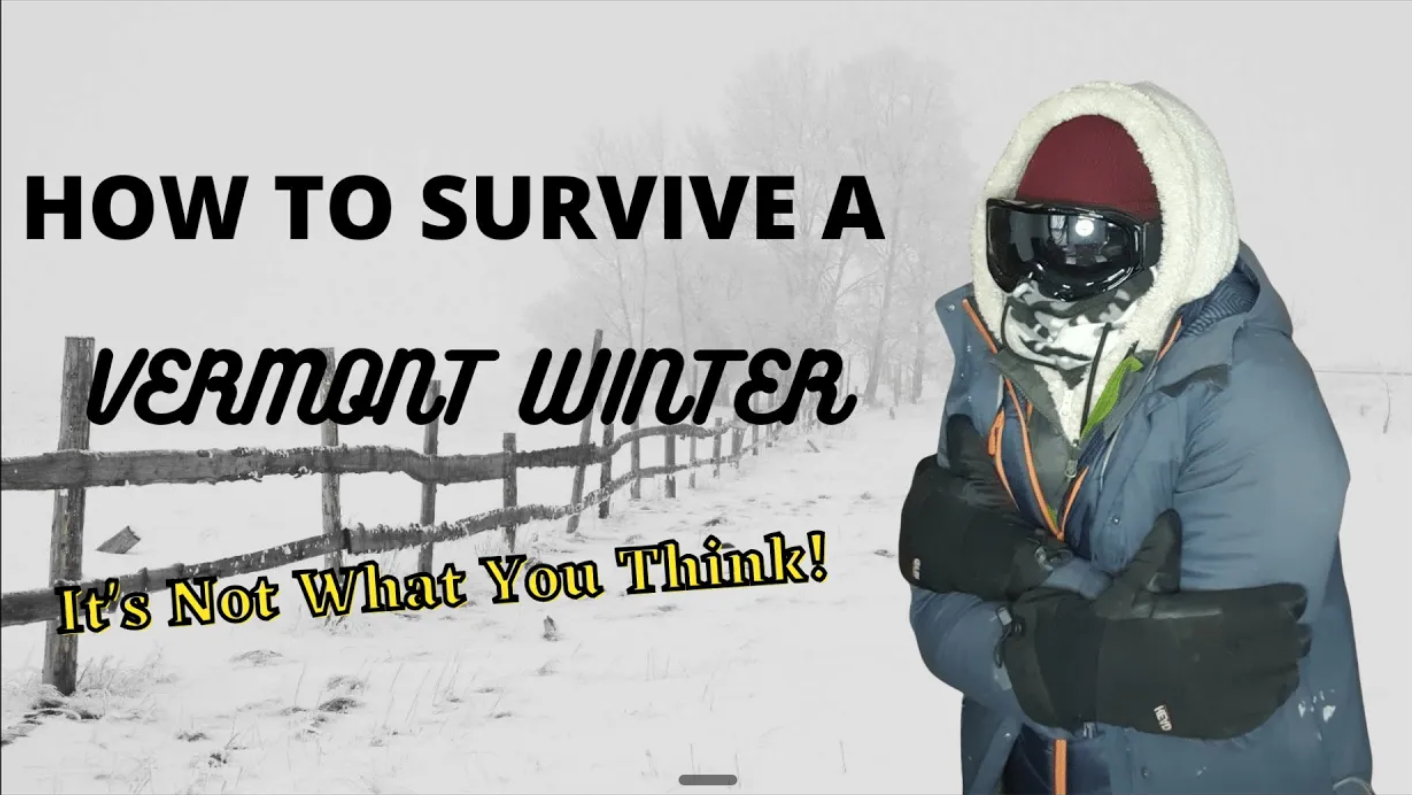
How to Prepare for Winter in Vermont: A Local's Complete Guide
Vermont is one of the snowiest states in the country, and if this is your first winter here, the season can catch you off guard. Once the fall foliage fades, the leaf peepers head home and the snow settles in for the long haul. This guide walks through everything you need to prepare your home, your car, and yourself for a Vermont winter, including a few things most newcomers never think about until it is too late.
I am Jacob Barnes, a Vermont real estate agent with eXp Realty, and I have lived through plenty of these winters. Here is what actually matters.
What Are Vermont Winters Really Like?
Vermont averages 86 inches of snowfall per year, and Burlington sees around 72 inches annually. Snowfall varies widely across the state. According to USA.com, Cabot receives close to 150 inches in a typical year, the highest of any Vermont town, while Jay Peak resort averages around 380 inches, the highest of any American ski resort. Wherever you live in Vermont, snow is part of daily life in the winter time.
Winter temperatures average 15 to 20 degrees Fahrenheit, and Vermont sees anywhere from 10 to 50 days below zero each year. Snow cuts the gardening season short from roughly September to May, and it makes the roads far more dangerous. On the upside, you trade months of mowing for months of plowing, so you will not touch your lawn until spring.
One thing that surprises transplants: in many states a snow day means a day off school, but Vermont schools build several snow days into the annual calendar. Kids only get a genuine bonus day in an unusually snowy year.
How to Prepare Your Home for a Vermont Winter
Service your heating system before you need it
The single most important step is making sure your heating system works before the first cold snap. The average boiler lasts 10 to 15 years and the average furnace lasts 15 to 20 years. Get your system inspected and serviced every year, especially once it passes the 10-year mark. A dedicated furnace inspection is far more thorough than the basic heating check included in a general home inspection.
If you are buying a home in Vermont, ask your real estate agent to order a dedicated furnace inspection and cleaning. In many cases the seller will cover the cost.
Inspect your chimney and stock up on firewood
If you heat with a wood burning fireplace or woodstove, have your chimney inspected and cleaned every year to prevent a chimney fire. Stack several cords of firewood somewhere dry and easy to reach before the snow arrives.
Have a backup plan for power outages
If your heating system runs on electricity, a generator is a smart investment for when the power goes out mid-storm. A woodstove is the one heat source that keeps working no matter what the grid is doing.
Consider a heat pump if you are upgrading
If you need to replace or upgrade your system, a heat pump is one of the most efficient options for the Vermont climate.
How to Prepare Your Car for a Vermont Winter
The best car for a Vermont winter
All wheel drive is the gold standard, which is a big reason Subarus are so common on Vermont roads. That said, you can get through winter in a two wheel drive car as long as you have good winter tires. I have always driven two wheel drive vehicles and have been fine, aside from a few very steep hills in deep snow.
Winter tires are not optional
All season tires will not cut it here. Dedicated winter tires make an enormous difference in traction and stopping distance, and cutting corners on them can cost you far more than the tires themselves. Studded winter tires offer the best grip, though standard winter tires perform well too. If you buy your winter tires on their own rims, you can swap them yourself each season, which saves money over paying a shop to mount and dismount tires twice a year.
Winter driving basics
When there is any snow or ice on the road:
- Slow down and leave extra following distance
- Take curves more slowly than usual
- Avoid sudden acceleration and hard braking
- Never stop on a hill if you can help it
- Approach traffic lights slowly so you are not forced to brake on ice
- Stay aware of your surroundings at all times
Build a winter emergency kit
Keep these in your vehicle through the season:
- Blankets and an extra jacket, in case your car breaks down and the heater fails
- A bag of sand for traction if you get stuck
- A portable jump starter for cold mornings when the battery struggles
- An ice scraper and a snow brush
How to Take Care of Yourself Through a Vermont Winter
Invest in a warm, high quality jacket, wool socks, and proper winter boots. Cheap gear wears out fast and leaves you cold when it counts.
Take a daily vitamin D supplement through the winter months. From November through April, the sun sits too low in the sky for Vermont to produce enough UVB rays for your body to make vitamin D, and the layers you wear block what little reaches you. Many Vermonters end up significantly deficient by midwinter. Vitamin D deficiency is associated with fatigue, low mood, and a weaker immune system, so a daily supplement is one of the simplest ways to stay healthy. Check with your doctor about the right amount for you.
The pull to stay inside where it is warm is strong, but staying active is key to getting through the season well. Winter is prime time for hiking, snowshoeing, skiing, and snowboarding. If you would rather stay indoors, the gym works too, though expect more competition for the treadmills once it gets cold.
Your Vermont Winter Routine: The Daily Details
Decide early whether you will plow your own driveway or hire someone to do it. Either way, you will be shoveling your steps and walkways, then spreading rock salt to melt existing ice and prevent new ice from forming.
Without a heated garage, start your car about five minutes early so the engine warms up and the cabin heat gets going. If you warm it up inside a garage, keep the garage door open so carbon monoxide does not build up.
If your car sits outside, brush off the snow and scrape any ice from the windshield before you drive. A scraper and snow brush are essential. After freezing rain, de-icing sprays can help, though your defroster will eventually soften the ice enough to scrape off.
One easy thing to overlook: switch to winter windshield washer fluid. Regular fluid freezes in the cold and can crack the reservoir.
Give yourself a few extra minutes each morning to warm up, clear off, and drive slowly, and you will not have to worry about being late for work or the school drop off.
Key Takeaways
- Vermont averages 86 inches of snow a year, so preparation is not optional
- Service your heating system every year and have a backup for power outages
- Winter tires matter more than the car itself, and all season tires are not enough
- Take a daily vitamin D supplement from November through April
- Build a winter kit for your car and give yourself extra time every morning
Frequently Asked Questions About Vermont Winters
How much snow does Vermont get?
Vermont averages about 86 inches of snow per year statewide. Burlington sees around 72 inches, while snowier areas like Cabot approach 150 inches and Jay Peak resort averages about 380 inches.
How cold does it get in Vermont in winter?
Winter temperatures average 15 to 20 degrees Fahrenheit, with 10 to 50 days per year dropping below zero.
What is the best car for a Vermont winter?
An all wheel drive vehicle handles Vermont winters best, which is why Subarus are so popular here. A two wheel drive car with quality winter tires also works well in most conditions.
Do you need winter tires in Vermont?
Yes. All season tires do not provide enough traction for Vermont roads. Dedicated winter tires, ideally studded, are strongly recommended for safety.
Should you take vitamin D in a Vermont winter?
Many Vermonters do. From November through April the sun is too low for the state to produce adequate vitamin D, so a daily supplement is a common and easy way to stay healthy. Check with your doctor about the right dose.
When does winter start in Vermont?
Snow usually arrives by late fall, and it can affect the growing season anywhere from September to May. The heart of winter runs December through March.
Thinking about buying or selling a home in Vermont? As a local real estate agent with eXp Realty, I help buyers, sellers, and investors navigate the Vermont market year round, snow and all. Reach out anytime and let's talk.

Ready To Take The Next Step?
Schedule a no-obligation consultation with Jacob today and take the important first step toward achieving your real estate goals.
Schedule a Meeting